The Centre for Media and Information Literacy
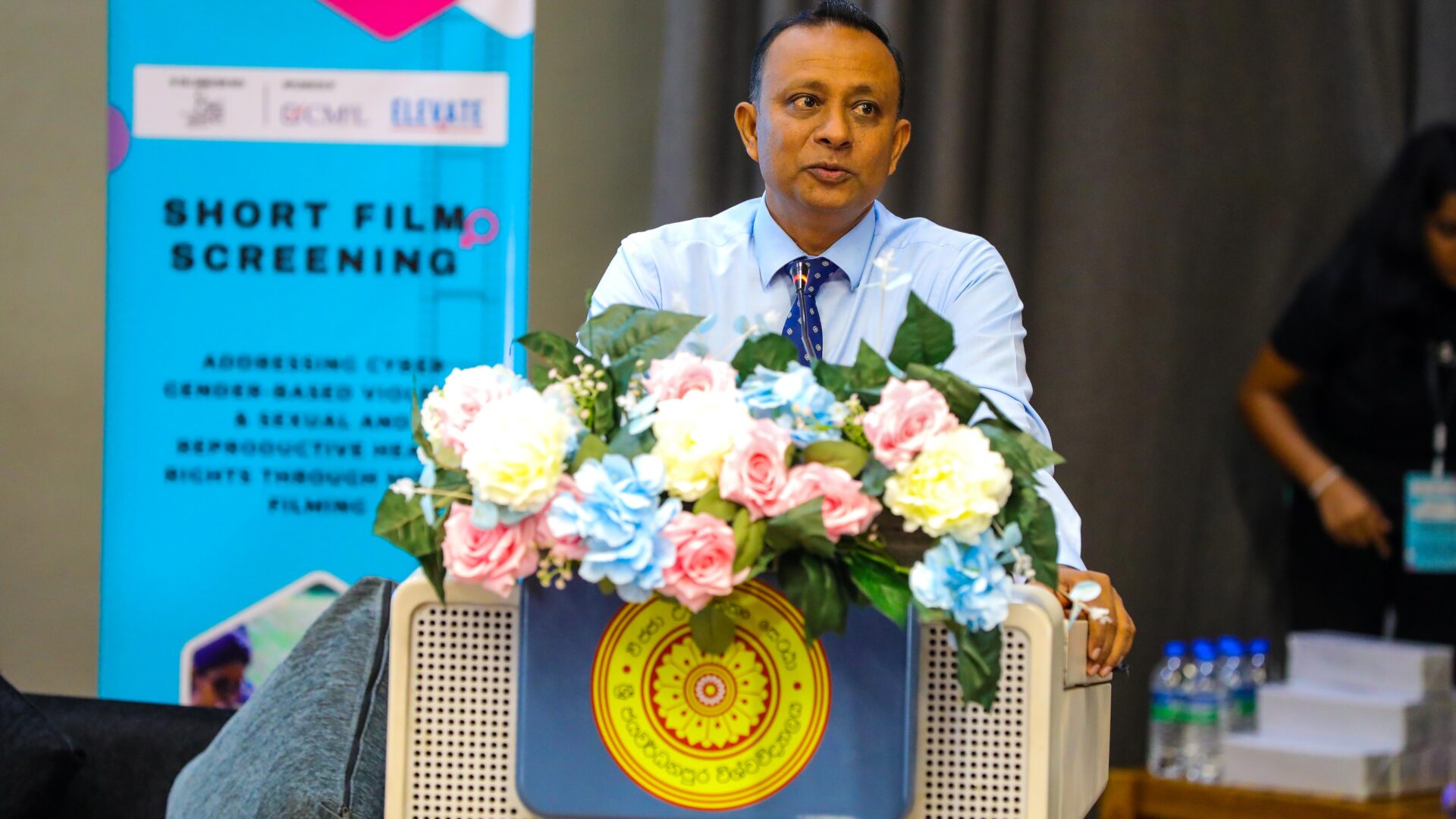
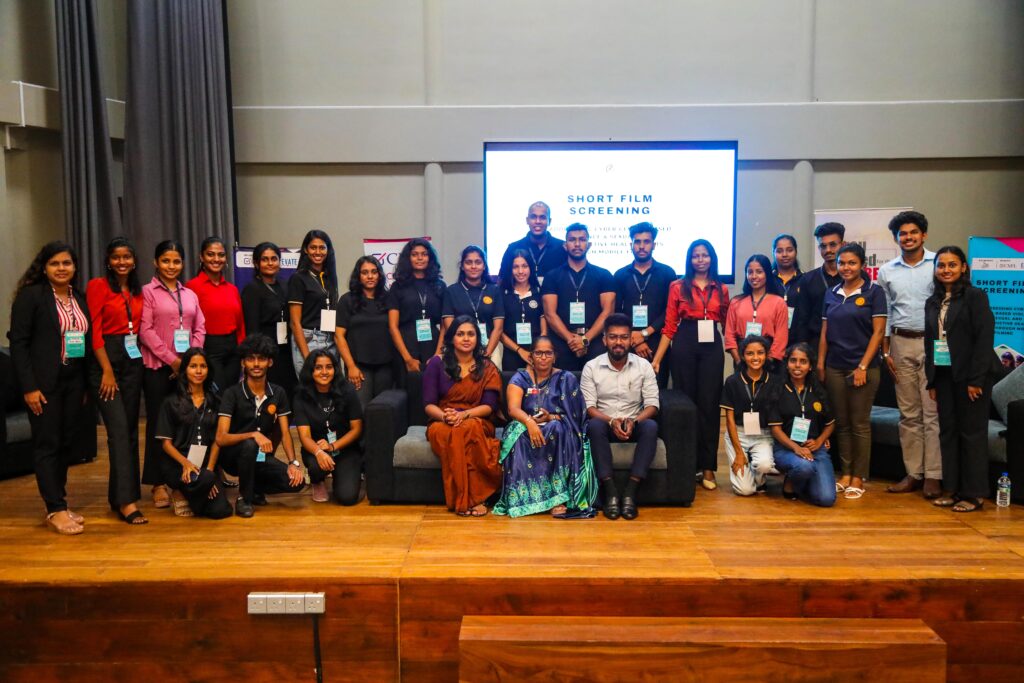
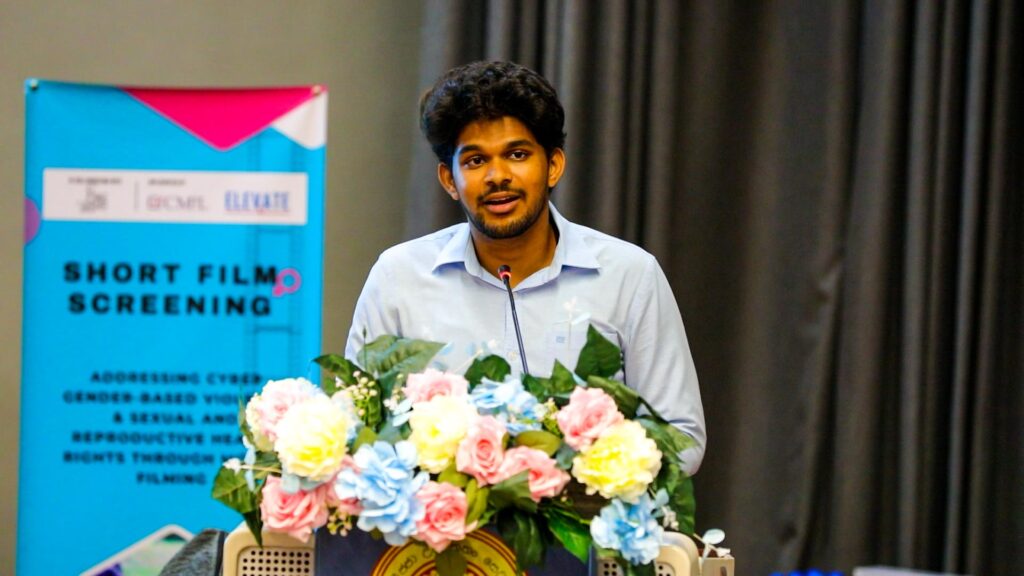
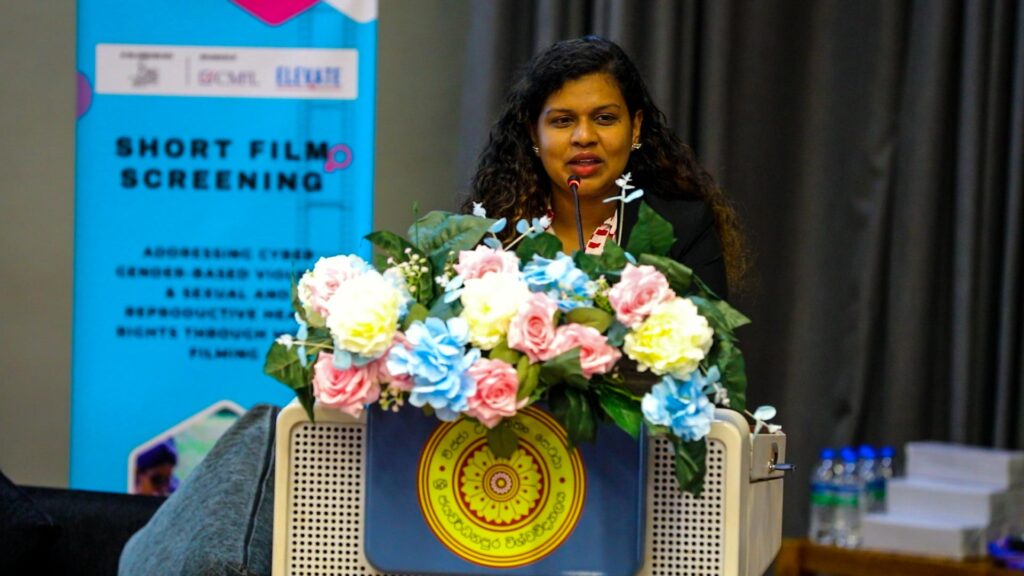
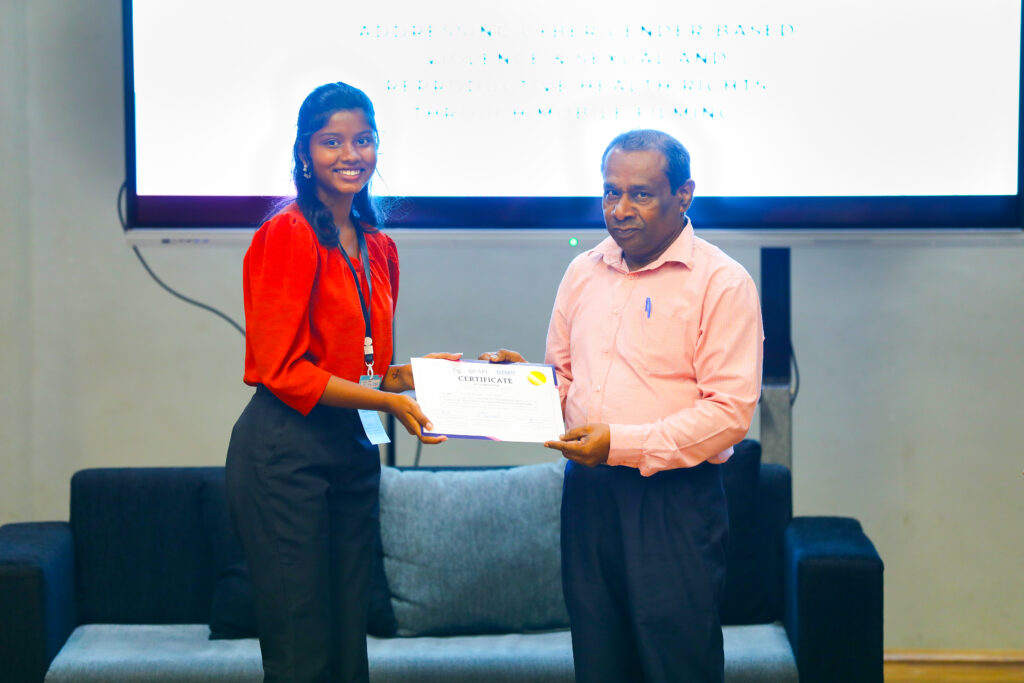
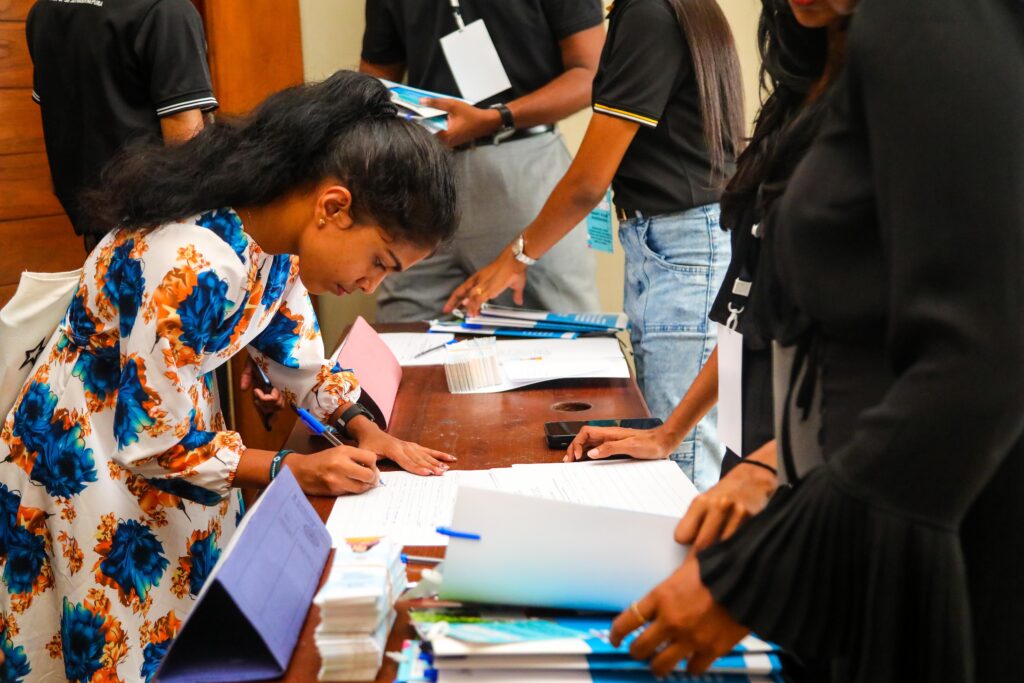
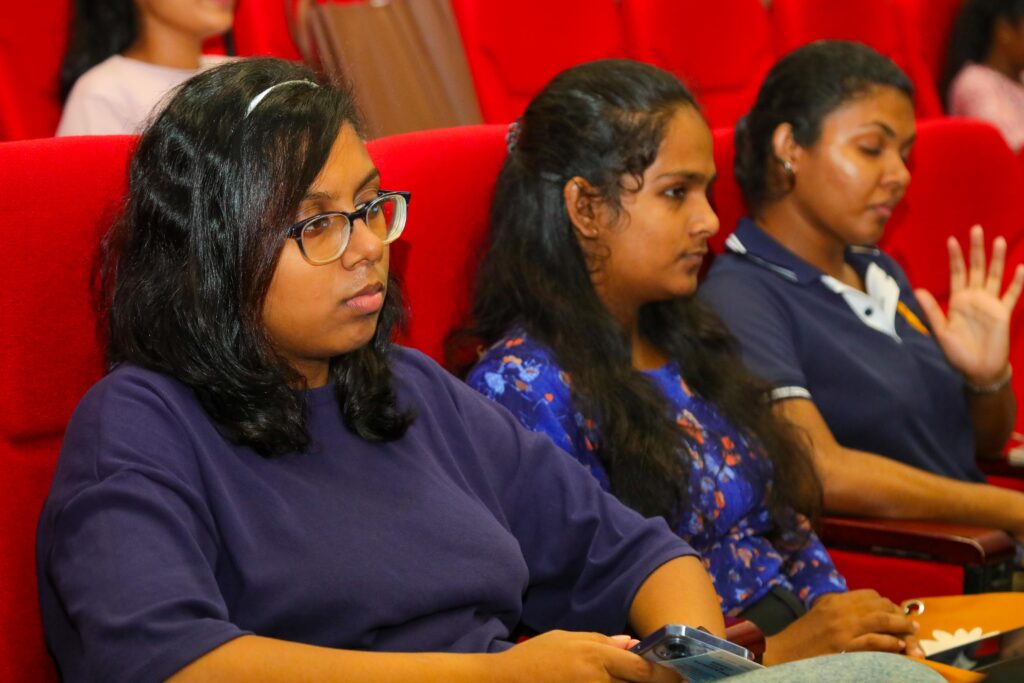
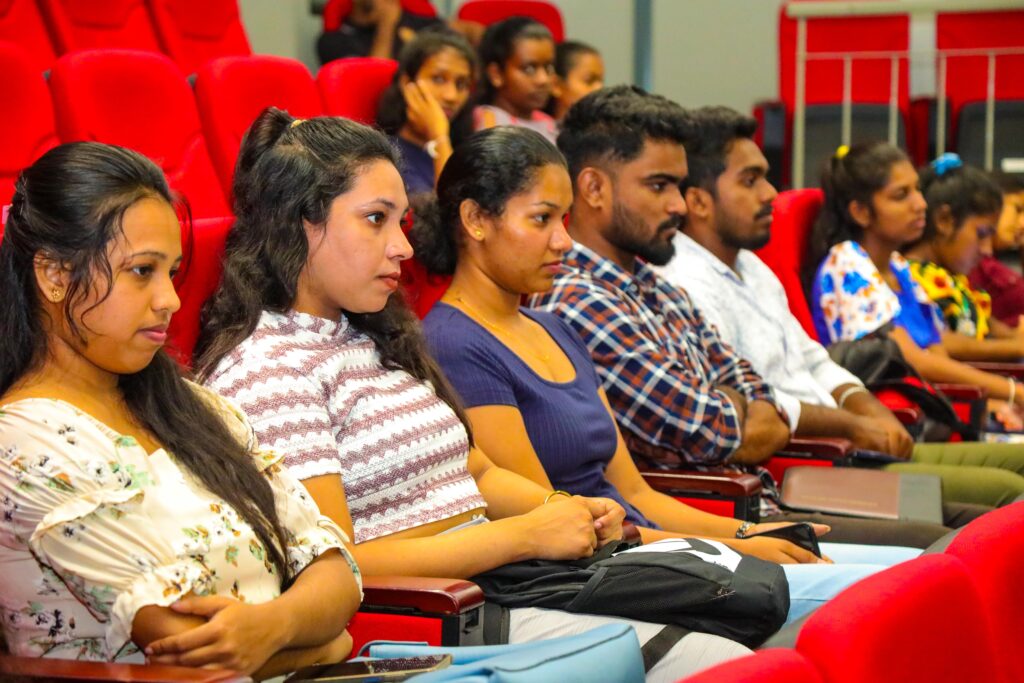
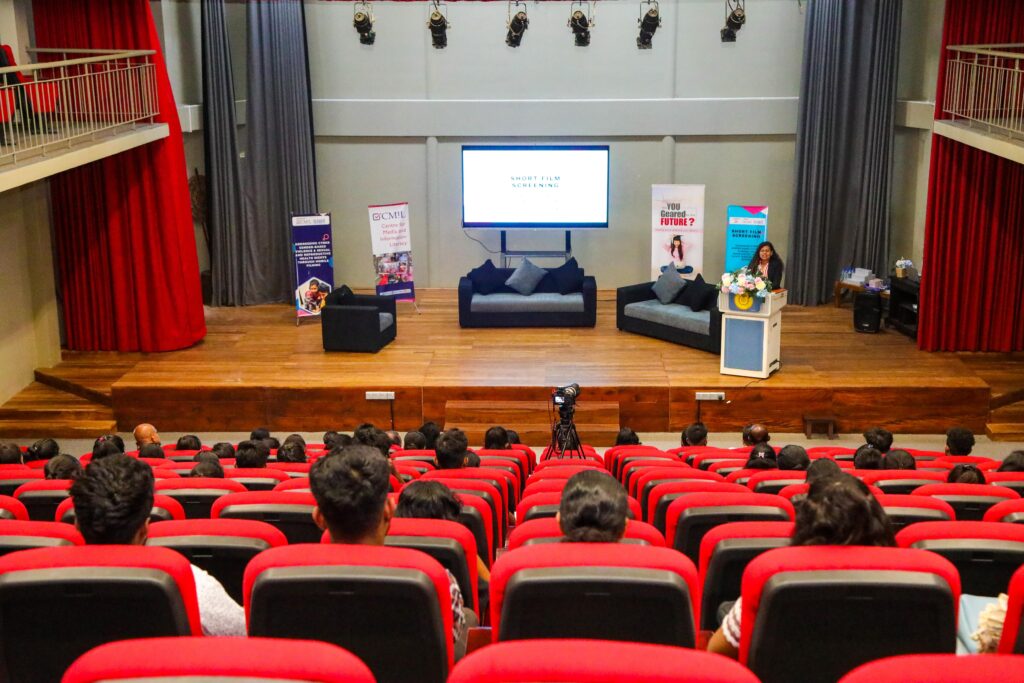
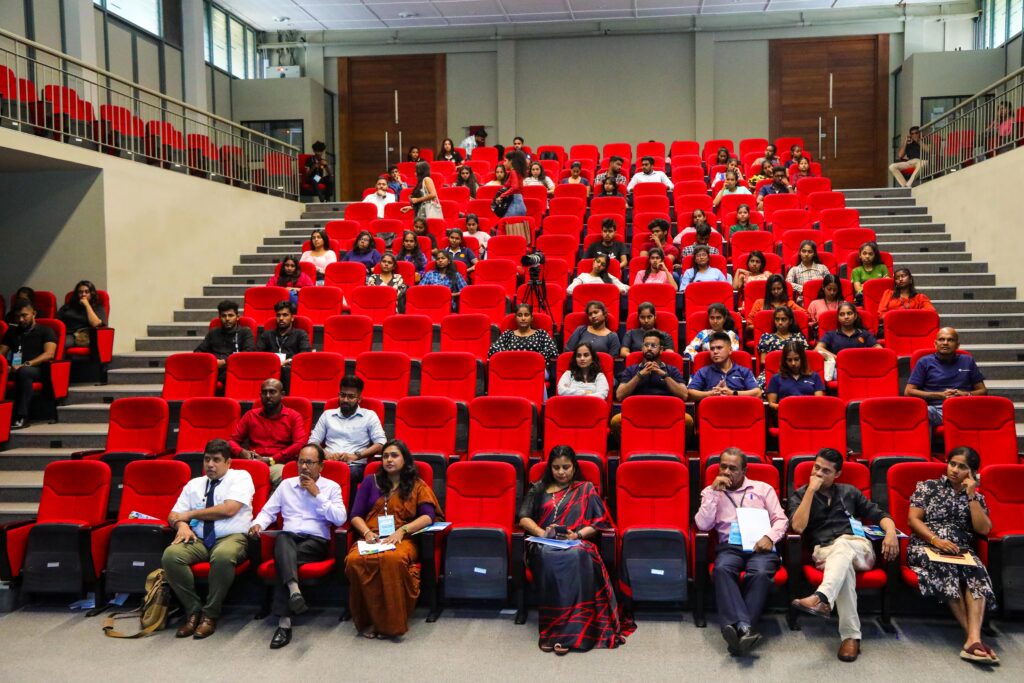
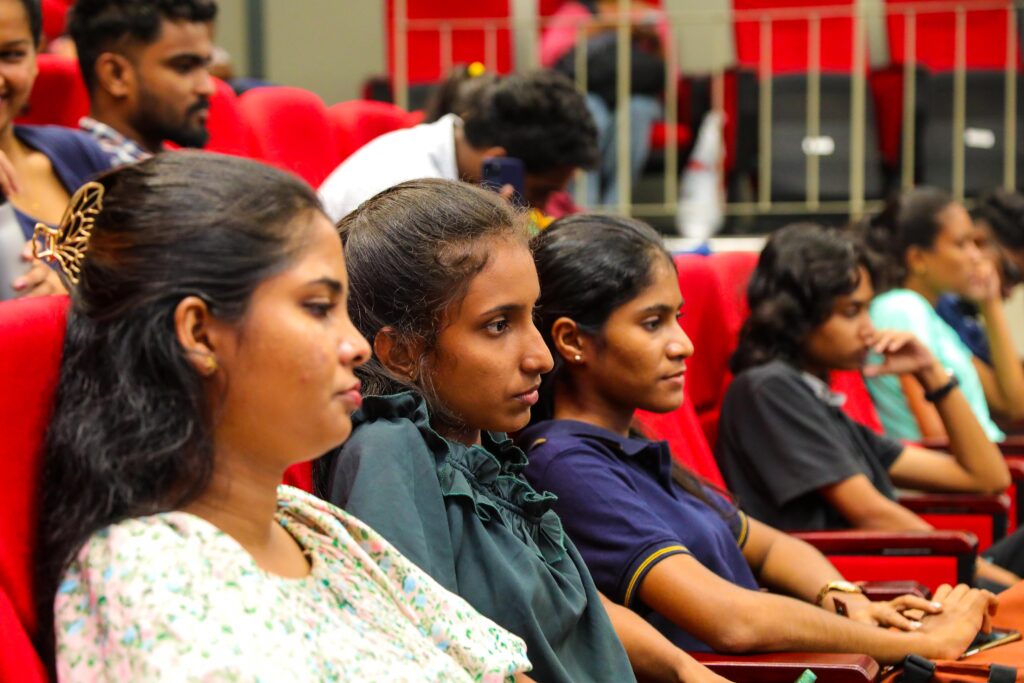
The ELEVATE Film Summit at the University of Sri Jayawardanapura brought together academics, legal experts, and filmmakers to discuss pressing social issues through cinema. The event, organized by the CMIL with the Centre for Gender Equality and Equity (CGEE) at the University Grants Commission, featured a screening of nearly 12 short films on sexual and reproductive health rights (SRHR) and cyber gender-based violence (CGBV). The Department of Criminology and Criminal Justice co-hosted the event, which saw participation from students, academics, and key dignitaries including Professor Shirantha Heenkenda, the Dean of the Faculty of Humanities and Social Sciences of the University, and Senior Lecturer, Udayakumara Amarasinghe, the Head of the Department of Criminology and Criminal Justice.
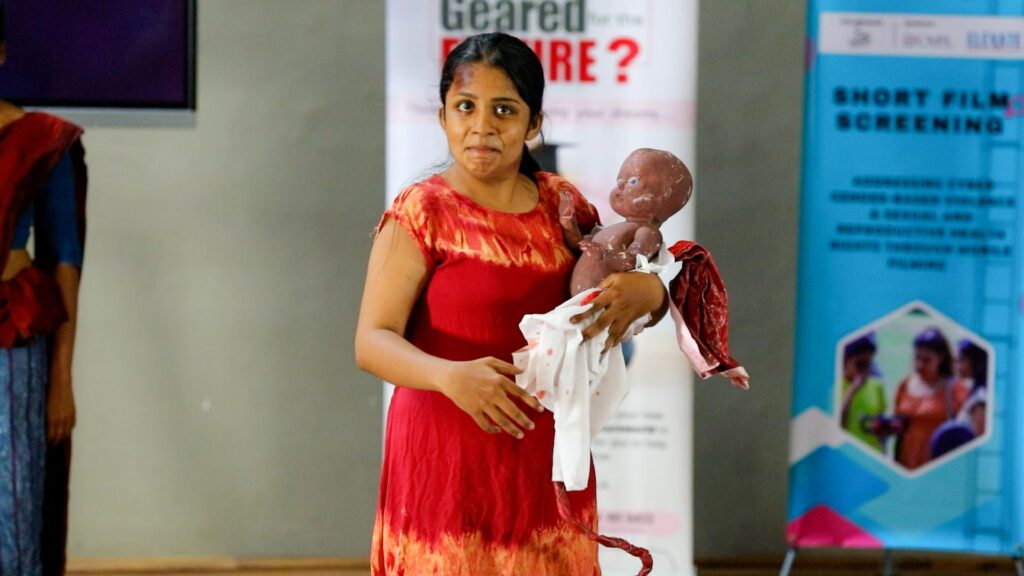
The summit sought to spark critical discussions, using film as a tool for advocacy and change. The screening included films such as Who is Blind? , which portrays the struggles of a blind girl facing an unexpected pregnancy. This film, along with others, highlighted the gaps in institutional support for fundamental needs like menstrual hygiene and bodily autonomy.
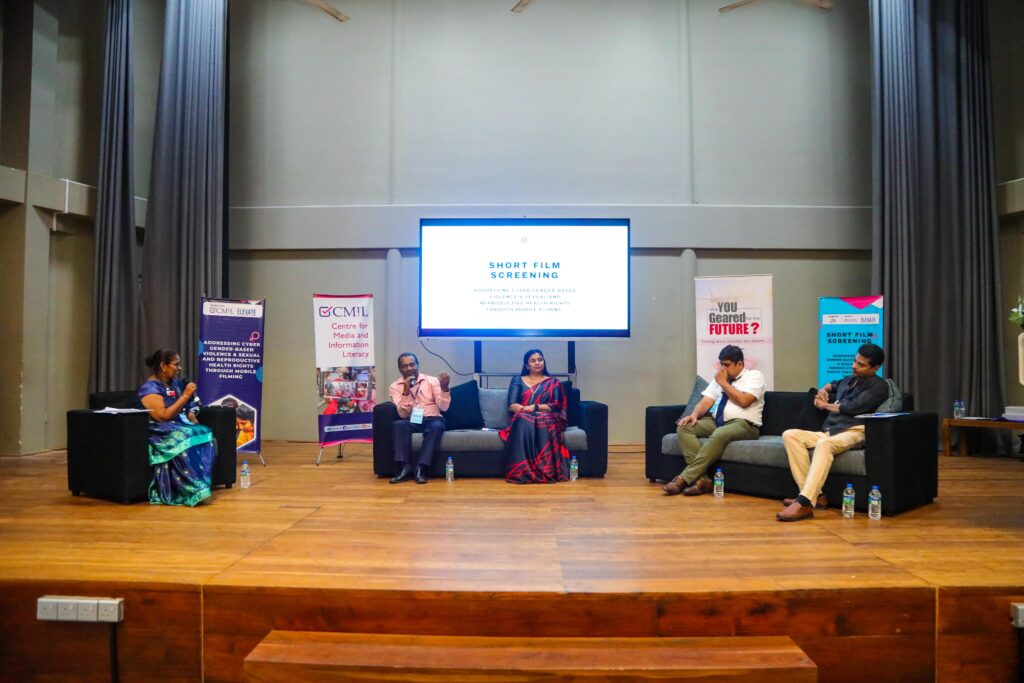
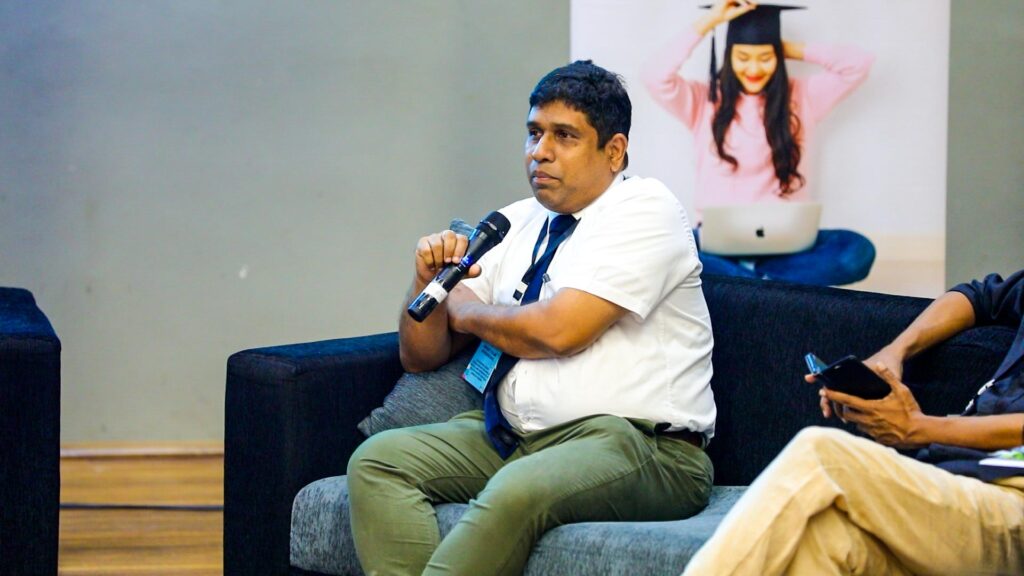
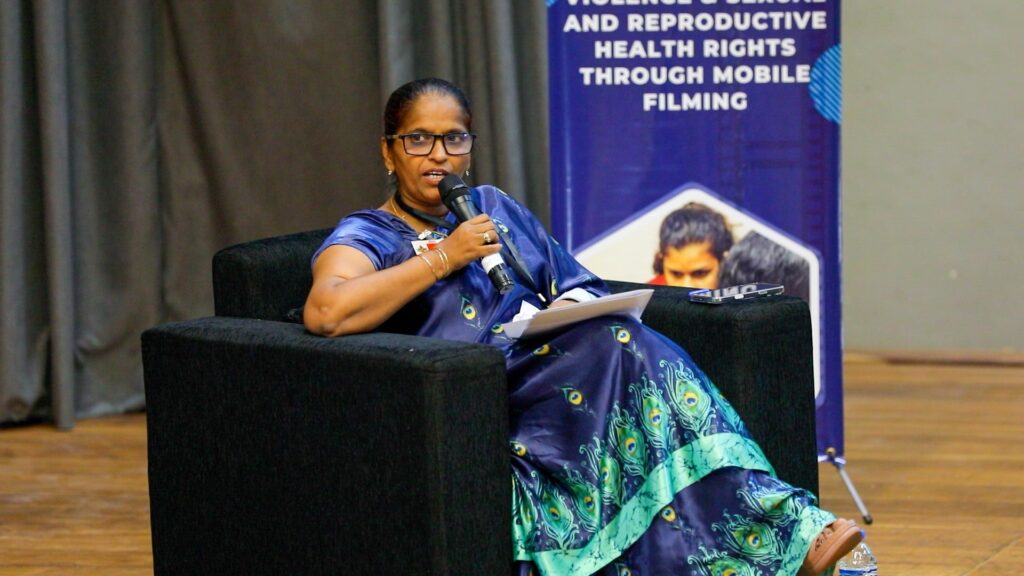
The event featured two key panel discussions. The first, chaired by Dr. Anusha Edirisinghe, Dean of the Faculty of Criminal Justice at the General Sir John Kotelawala Defence University, focused on the intersection of law, gender, and human rights in university settings. Prof. W.M. Dhanapala Wijesinghe, former Head of the Department of Criminology and Criminal Justice, emphasized, “Universities should be spaces of enlightenment, yet we remain blind to essential rights such as menstrual hygiene and basic well-being.”
Dr. Chaminda Hunukumbure, Head of the Department of Obstetrics and Gynaecology, discussed reproductive rights, touching on issues like abortion and coercion in intimate partner violence. He stressed, “SDG Goal 5 recognizes comprehensive sexuality education as a fundamental right. If we fail to educate, we fail to protect.”
Legal expert Ms. Sanjeewani Abeykoone (AAL), Director (Law Enforcement) at the National Child Protection Authority, spoke about cyber gender-based violence, highlighting enforcement gaps in laws such as Section 345, which defines sexual harassment. She noted, “The law exists, but enforcement remains a challenge. These discussions must include men, as they are both perpetrators and allies in prevention.”
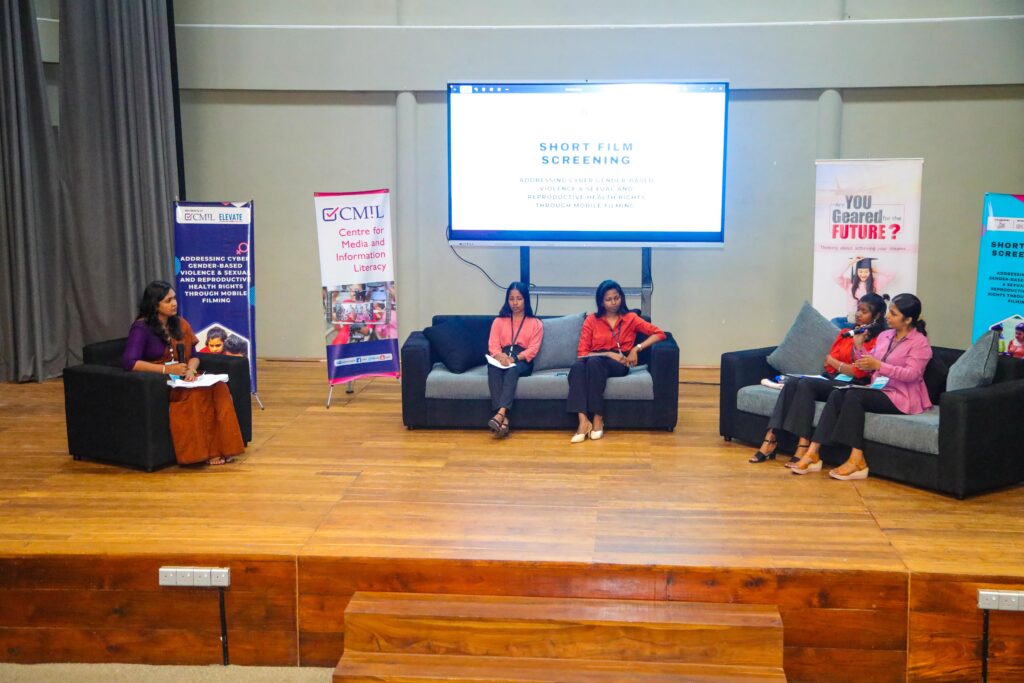
The second panel, facilitated by Dr. Kaushalya Hewawasam, Senior Lecturer from the Department of Criminology and Criminal Justice featured young filmmakers who shared how their work raised awareness on SRHR issues. Nipuni Chethana, inspired by Just a Toffee , created a film addressing menstruation taboos. Dewmi Perera explored body art and identity in Tattoo , while Piyumi Wijegunawardhana focused on menstrual rights in Emergency . Sandani Maleesha highlighted LGBTIQ+ rights in her film Real Me , stating, “For too long, queer voices have been silenced in mainstream media. Film gives us the power to change that narrative.”
The summit underscored the role of cinema in challenging social norms and promoting advocacy. As the event concluded, speakers called for continued conversations on gender and sexuality. With strong institutional support and more training for filmmakers, future projects have the potential to create even greater impact.
Futureworld Sri Lanka, the summit’s equipment sponsorship partner, reaffirmed its commitment to supporting advocacy efforts on SRHR and CGBV, demonstrating the power of technology in driving social change.